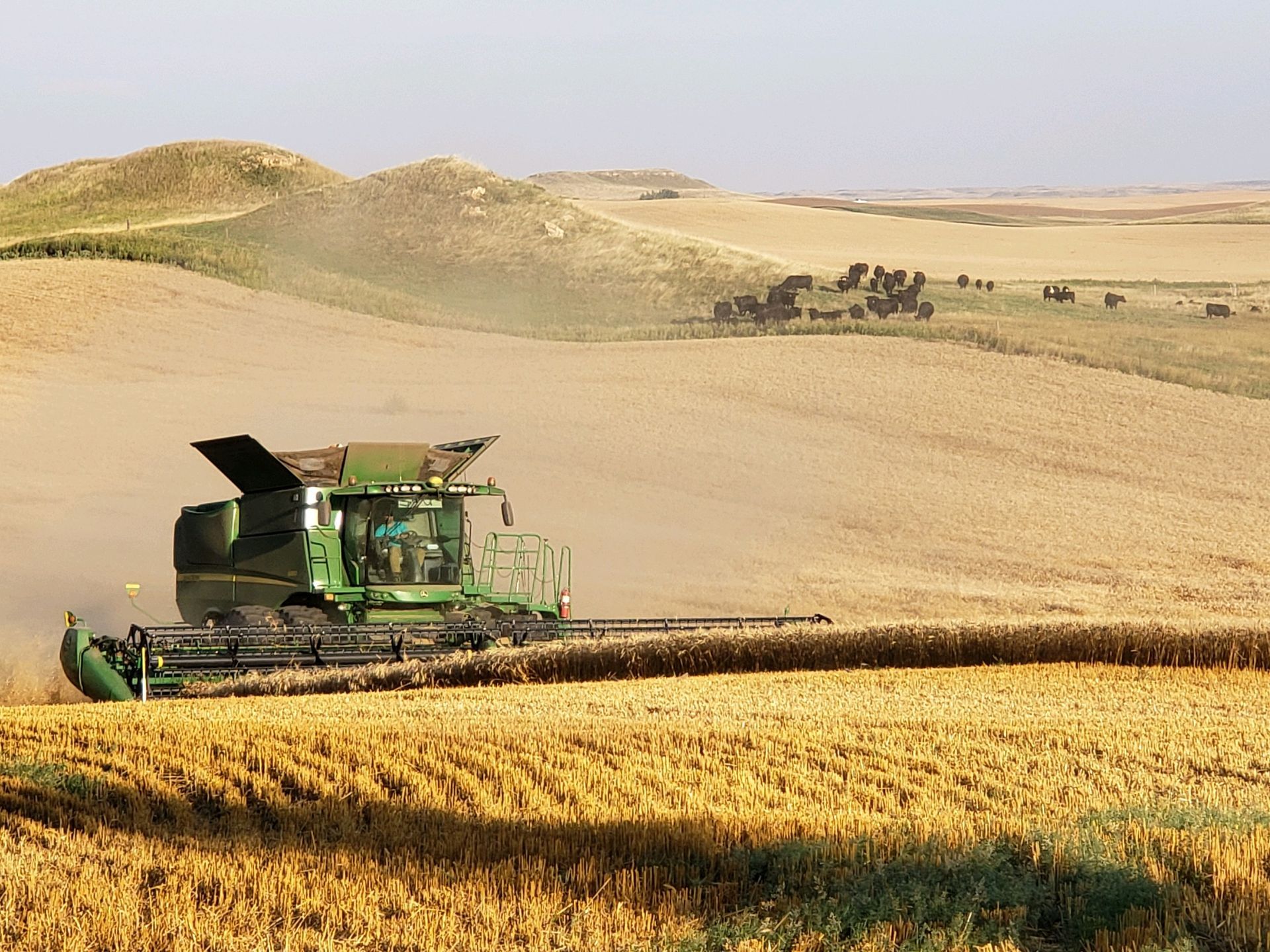
A Century of History Reborn
December 27, 2024

A Century of History Reborn: Isaac’s Journey Restoring a Rare John Deere Nickel D

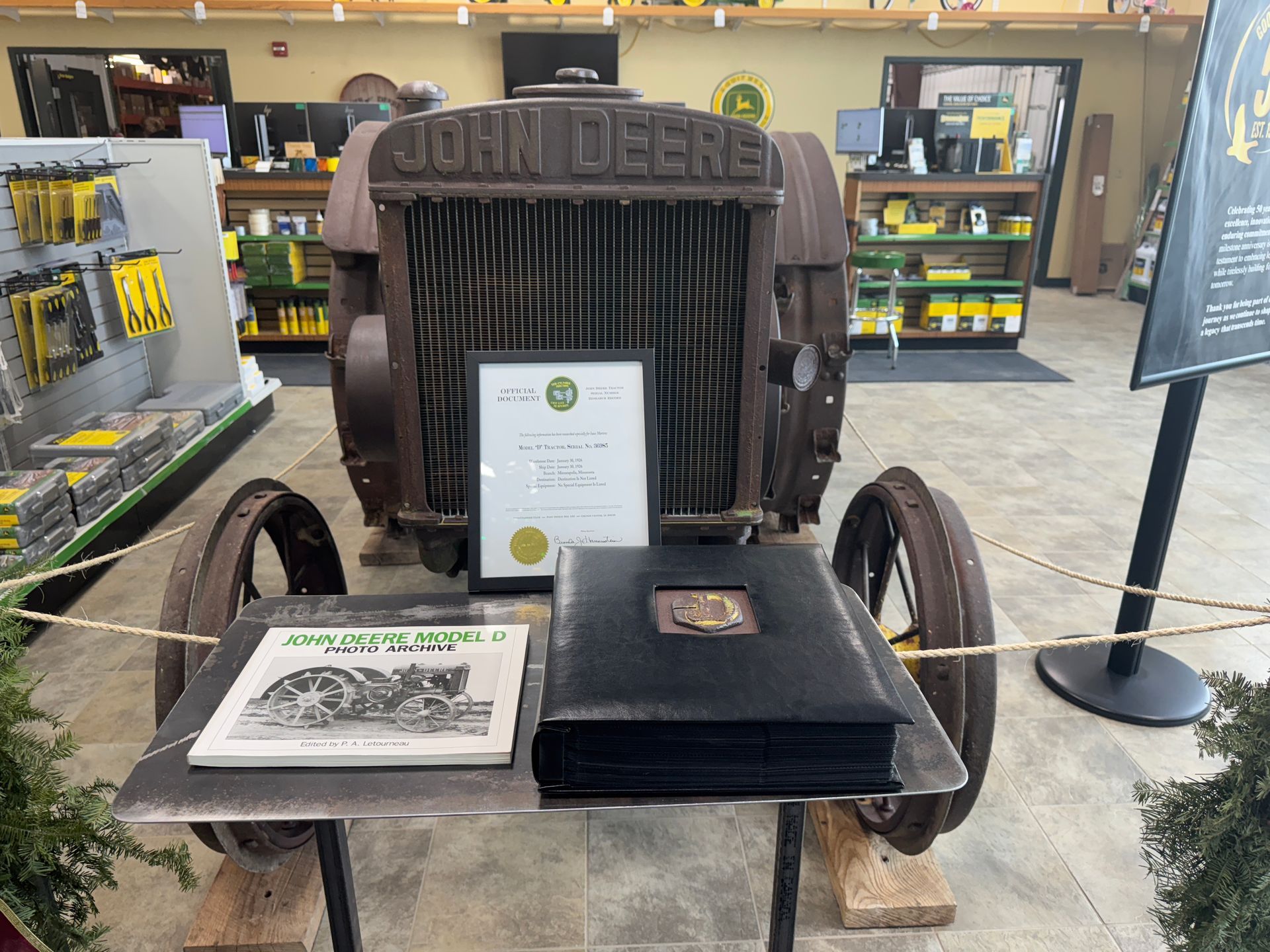
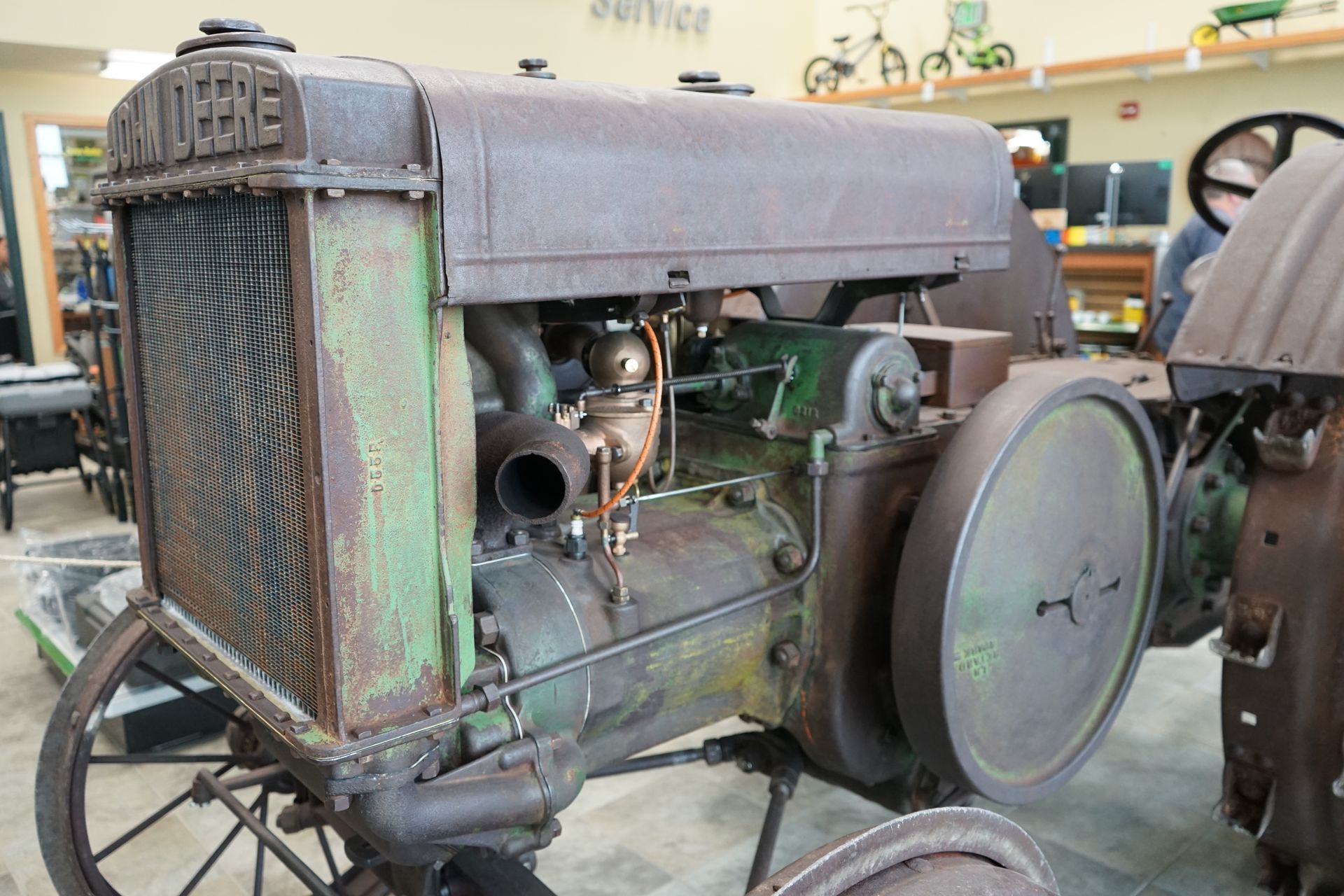
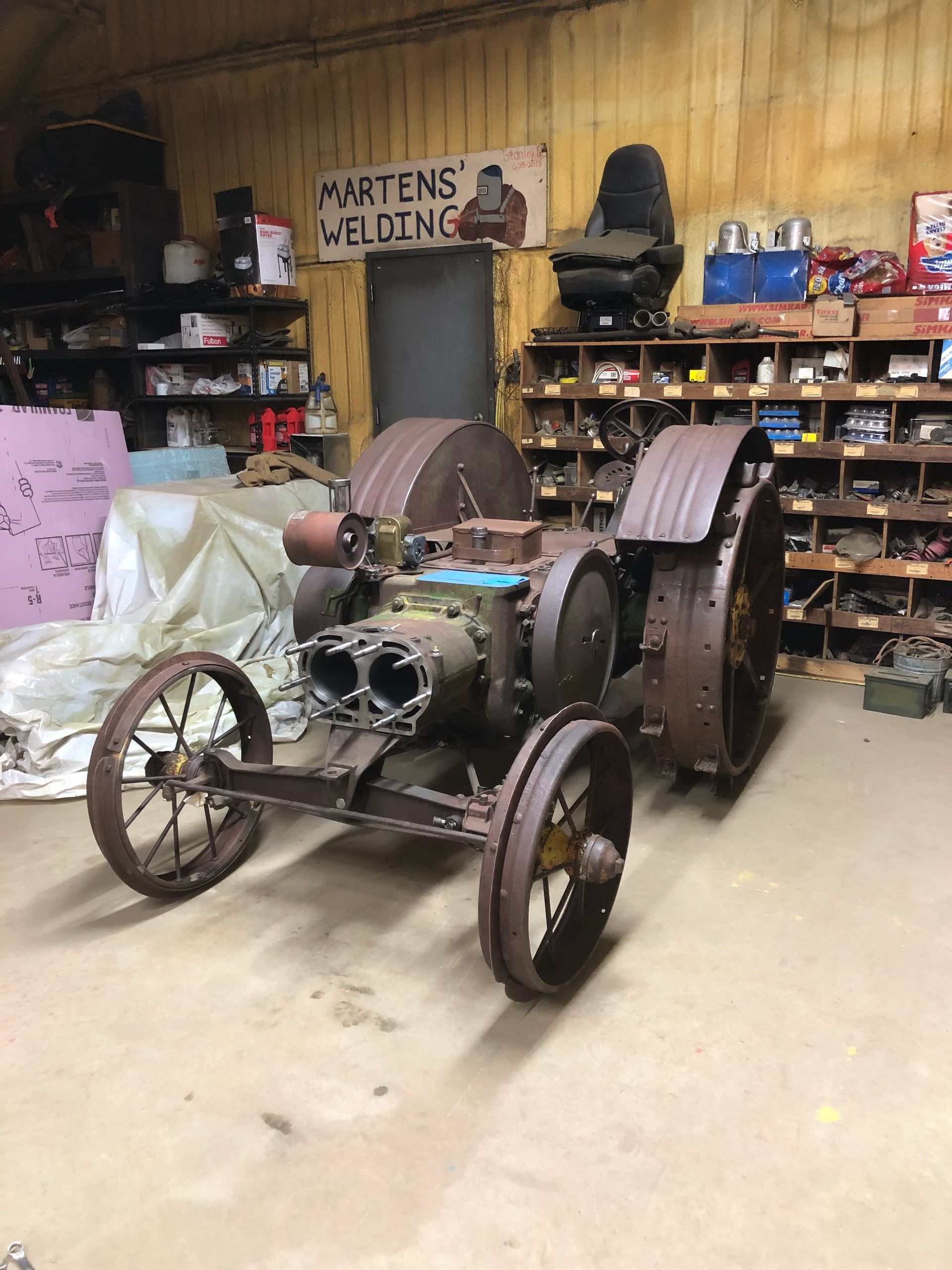
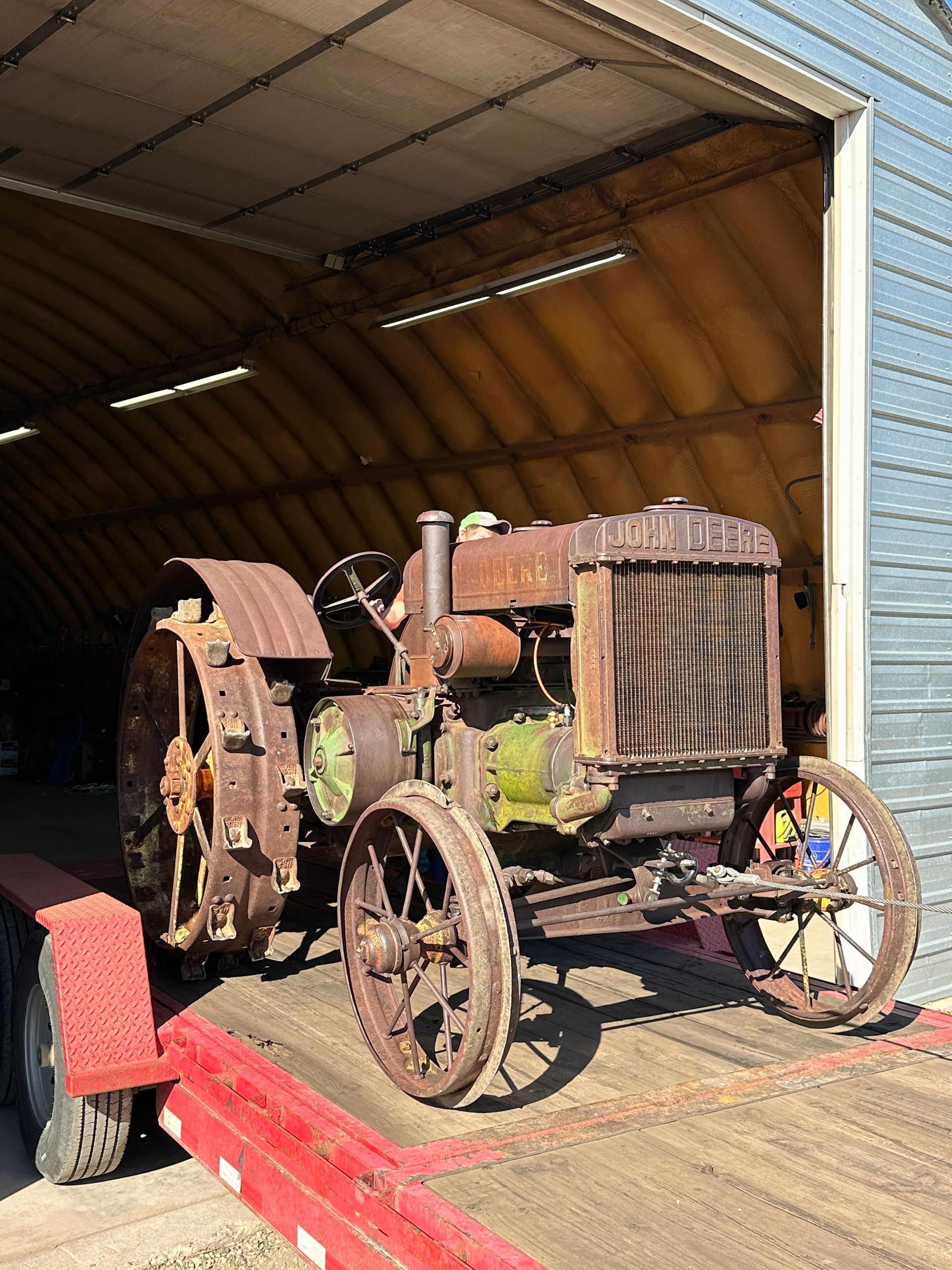
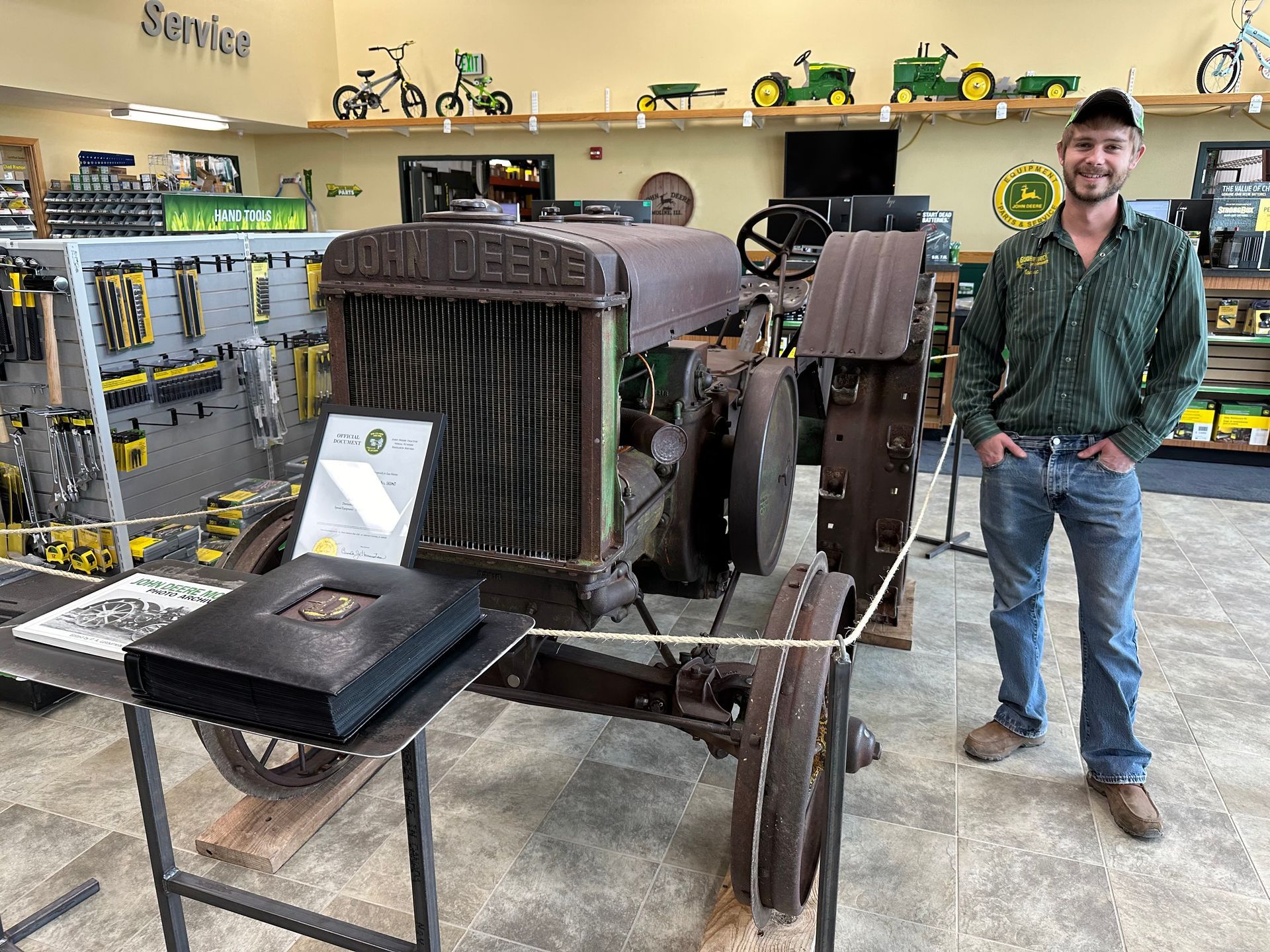
For Isaac Martens, a Service Technician at our Stanley store, restoring a tractor isn’t just about turning wrenches—it’s about preserving history, honoring connections, and embracing challenges. His latest project, rebuilding a rare 1926 John Deere Nickel D, is a perfect example of that.


The Beginning of a Journey
The story starts with a parts tractor sitting in the pasture of a friend’s great-grandparents’ farm. This particular tractor wasn’t running, and most would have considered it little more than scrap. But to Isaac, it represented an opportunity. “I’ve always wanted to rebuild a John Deere D,” Isaac explained. “This one being a Nickel D, one of only about 1,000 ever made, made it even more special.” The connection to the past didn’t stop there. The 1926 tractor was originally used as a parts tractor for his dad’s restoration of a 1929 Nickel D. That 1929 tractor originally belonged to Howard’s dad and had been a cornerstone of the family’s farming legacy. Isaac’s father had rebuilt their tractor, turning it into a tribute to both their family and farming history. Inspired by his dad’s efforts, Isaac decided to take on the challenge of rebuilding the 1926 parts tractor, bringing a forgotten piece of machinery back to life.


Tackling the Rebuild
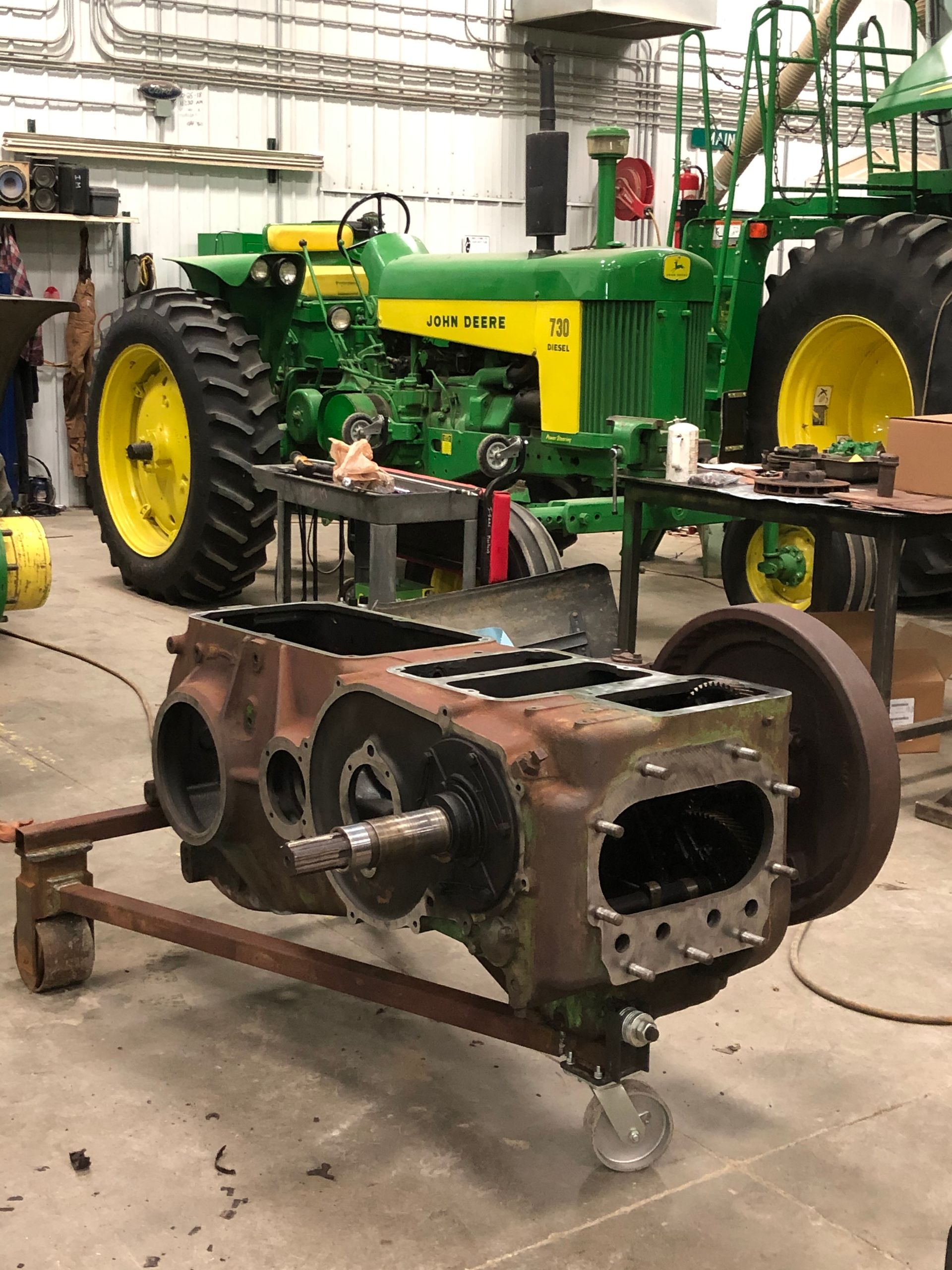
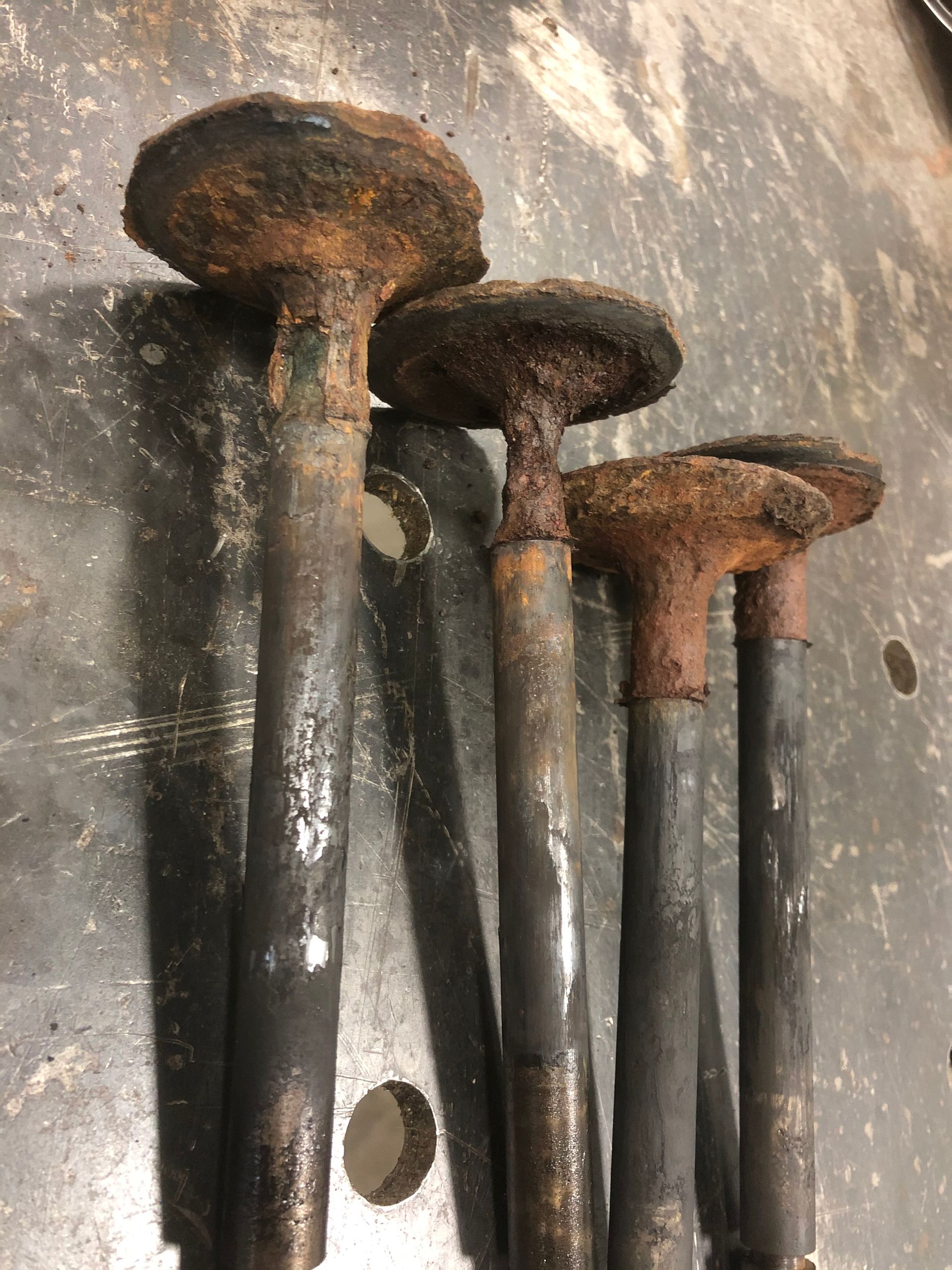
Rebuilding a tractor like the Nickel D starts with tearing it down to nothing—and that’s the easy part. For Isaac, the real challenge lay in sourcing the right parts. “Finding parts was definitely the hardest part,” he said. “We had 15 parts tractors by the end, traveling everywhere from Minneapolis to Kansas, and even Canada.”

Every piece of this tractor was unique to its model year. From the carburetor to the front wheels, each component was designed exclusively for the 1926 Nickel D. Unlike restoring an old car where parts can often be interchanged, Isaac had to track down components tailored specifically for this model, many of which were nearly impossible to find.


The Most Rewarding Moment
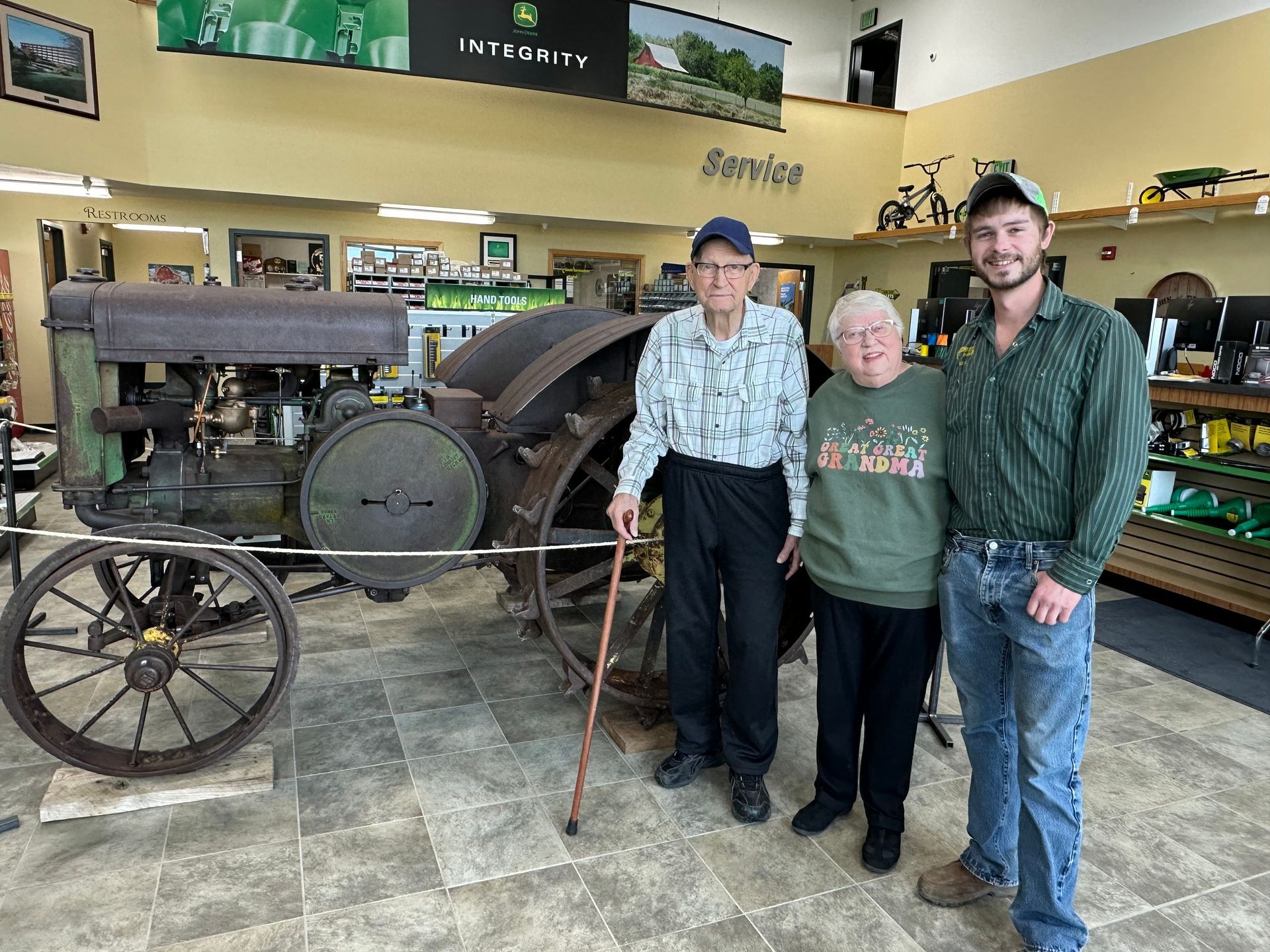
After four years of meticulous work, the payoff finally came. “Starting it up for the first time was the best part,” Isaac recalled, “especially with Howard and Janice—the couple who originally owned the 1929 tractor—there to witness it. Howard is 93, and he didn’t think he’d ever see a Nickel D running again. That made it all worth it.”


The Details That Matter Most
Isaac takes pride in every part of the rebuild, but the flywheel stands out as something truly special. “They didn’t make many of them, and most are broken or lost,” he explained. “I’d guess there are fewer than 20 Nickel D flywheels left today. It’s worth more than the tractor itself!”


Lessons Learned
From patience to persistence, this project taught Isaac plenty. “Nothing is as hard as it seems,” he shared. “With enough time and determination, anything can be fixed.” Isaac’s genuine passion for John Deere equipment shines through every step of this rebuild. For him, the process was more than a mechanical task—it was a way to reconnect with history and ensure a rare piece of equipment found its rightful place in the world again.


Advice for Aspiring Restorers
When asked what he’d say to someone considering a similar project, Isaac’s advice was simple: “Don’t be in a hurry.” After four years of searching, rebuilding, and fine-tuning, the results speak for themselves—a one-of-a-kind restoration that pays tribute to the legacy of John Deere and the generations of farmers who relied on these machines.
Precision Ag Combine Optimization During Harvest
By Marketing Team August 13, 2026
Learn how Combine & FEE Startup and Optimization Packages help improve machine performance, reduce grain loss, ensure accurate yield data, and maximize harvest efficiency from the first acre to the last.
By McKensie Popinga July 14, 2026
Harvest is busy enough without spending extra time creating work plans or correcting field information in the cab. That's why John Deere is introducing a new feature designed to make harvest setup easier and improve the quality of your documentation. Beginning August 3, John Deere Operations Center will automatically create harvest work plans for compatible machines using the seeding data already stored in your organization. How It Works Operations Center will use your spring seeding records to automatically generate harvest work plans and send them directly to compatible machines. If your seeding data is complete and accurate, those work plans will already include information like: · Client · Farm · Field · Crop type · Variety · Additional field information from your seeding records Instead of building harvest work plans manually, your operators can get to work with fewer button pushes in the cab and spend less time managing documentation throughout the season. Why This Matters Accurate spring data leads to accurate harvest records. When your seeding information is clean and organized, this new feature helps ensure your harvest documentation is just as accurate. That means: · Less setup time before harvest · Fewer manual entries in the cab · More accurate harvest documentation · Better records for reporting and future decision-making · Potentially less office work creating harvest work plans manually Is Your Operations Center Ready? This new feature is especially beneficial for operations that have maintained clean seeding data throughout the spring. If you're not completely confident in your Client, Farm, Field, varieties, or seeding records, now is a great time to get everything cleaned up before harvest begins. Post Seeding Maintenance Package Our Precision Ag team is offering a one-time Post Seeding Maintenance Package for $500 to help prepare your Operations Center for harvest. The package includes: · Operations Center Data Cleanup · Client, Farm, and Field organization cleanup · Review and correction of post-seeding data, including: o Varieties o Acres o Task dates o Other planting information · Boundary Creation (Upon Request) o Create or update field boundaries for improved documentation and mapping · FSA & Crop Insurance Reporting Binder (Upon Request) o Receive a complete binder containing: - Seeding dates - Varieties - Acres - Additional seeding information - True field boundaries that remove overlap and identify prevented seeding acres - Seeding coverage maps with field information Whether you're preparing for harvest or organizing records for reporting, this package helps ensure your data is accurate and ready when you need it. Want to Disable Automatic Work Plans? Organizations will have Automatic Harvest Work Plans enabled by default. If you prefer to continue creating harvest work plans manually, the feature can be turned off in your Organization Preferences before August 3.  While we expect most customers will benefit from having this feature enabled, it's helpful to know you have the option to manage this setting based on your operation's preferences. Need Help? If you'd like assistance reviewing your Operations Center data or would like to schedule a Post Seeding Maintenance appointment, contact your Gooseneck Implement Account Manager today. We'll help make sure your data is organized, accurate, and ready for harvest.
By McKensie Popinga June 17, 2026
Get Harvest Ready with Gooseneck Implement’s 2026 Harvest Clinics!
May 20, 2026
Meet Andrew!  General Manager, Velva
By McKensie Popinga April 6, 2026
Stay local or go to campus—either way, you’re on the path to becoming a John Deere technician with Gooseneck Implement.
April 1, 2026
Start Your Career While You Earn Your Degree: JDTECH Virtual Program
March 20, 2026
Meet the Team Behind Gooseneck Advanced Support
March 19, 2026
Why Your GS2 or GS3 Display May Be Missing Activations (And What to Do Next)
March 18, 2026
What to Expect with Gooseneck Advanced Support
March 16, 2026
Leveling Up Customer Support: Introducing Gooseneck Advanced Support
More Posts